Imagine this: It’s a crisp morning, the sun is just peeking through your window, and the rich aroma of freshly brewed coffee fills your kitchen. The only thing missing is that velvety, cloud-like layer of frothed milk to turn your simple cup of joe into a cafe-worthy masterpiece. For too long, that experience felt exclusive to your favorite coffee shop. But that’s all changing. We’re diving deep into the Trending Milk Frother Designs 2025 that are set to revolutionize your home-brewing game. Forget flimsy whisks and lukewarm results; the future of frothed milk is smarter, sleeker, and more sustainable than ever before.
What’s the Big Deal About a Milk Frother Anyway?
So, you might be wondering, “Do I really need another kitchen gadget?” And that’s a fair question. A milk frother isn’t just about making bubbles. It’s a tool that fundamentally transforms the texture and taste of your drinks. By aerating the milk, it creates a microfoam that adds a creamy, luxurious mouthfeel and a touch of sweetness, perfectly balancing the bitterness of espresso. It’s the secret weapon that elevates a simple latte, cappuccino, or macchiato from good to unforgettable.
Think of it as the difference between a flat, one-dimensional drink and a layered, multi-sensory experience. It’s not just for coffee snobs; it’s for anyone who wants to bring a little bit of affordable luxury into their daily routine.
A Quick Rundown: The Three Main Types of Frothers
Before we jump into the future, let’s get our bearings. Milk frothers generally fall into three camps, each with its own vibe.
The Speedy Handheld Whisk
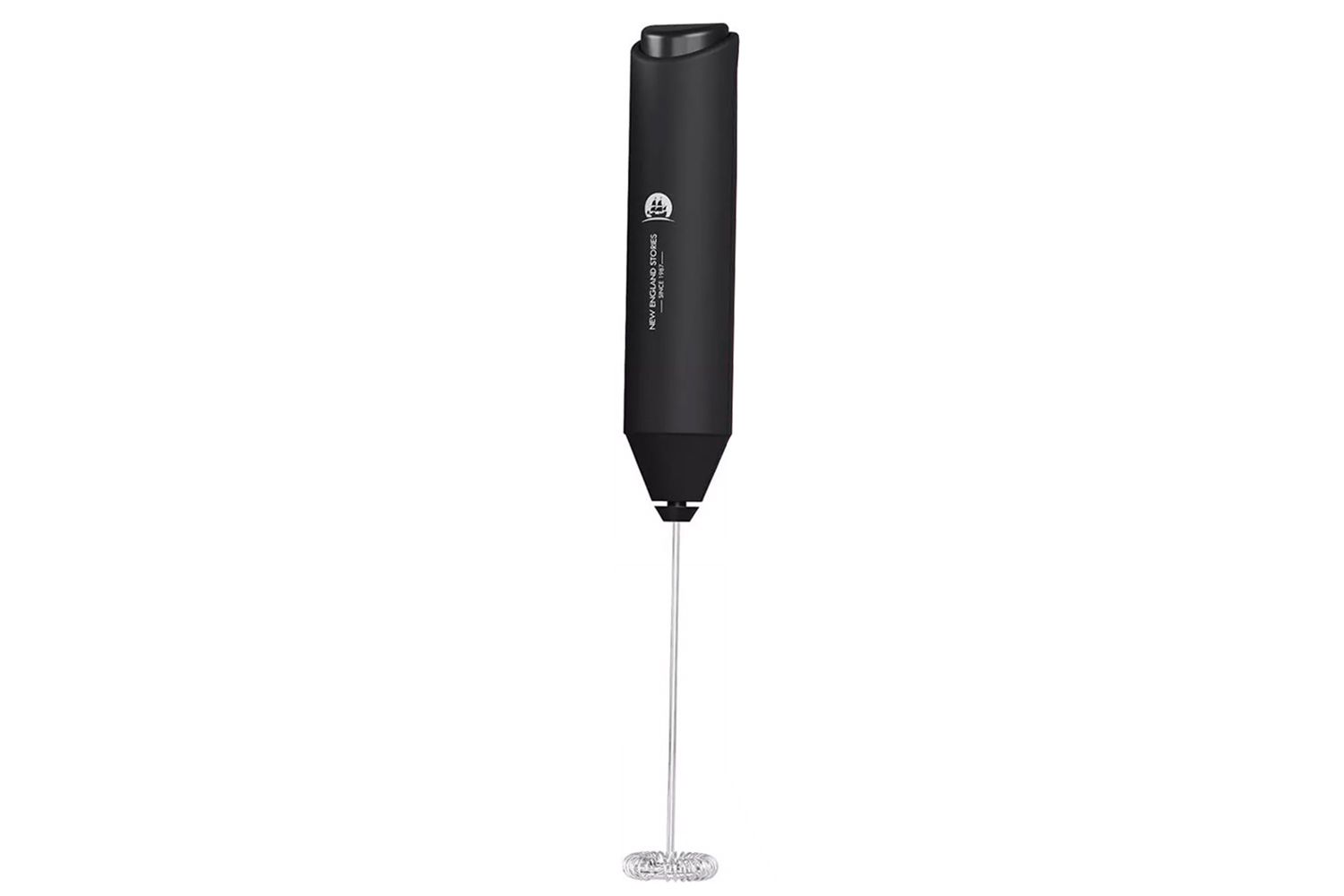
These are the little wands of magic. Battery-operated and super portable, they’re the go-to for a quick froth on the fly.
- Pros: Inexpensive, easy to store, and incredibly fast.
- Cons: You have to heat your milk separately, and achieving that perfect microfoam can take some practice.
The All-in-One Automatic Frother
This is the “set it and forget it” option. A countertop jug that heats and froths your milk with the press of a button. Many even have settings for different foam types and temperatures, including cold foam.
- Pros: Consistent, perfect results every time. Multi-functional (heating and frothing).
- Cons: Takes up more counter space and comes with a higher price tag.
The Artisanal Manual Frother
Think of a French press, but for milk. You pour in your pre-heated milk and manually pump a plunger to create the foam.
- Pros: Gives you complete control over the texture. No electricity needed.
- Cons: Requires the most physical effort and a bit of a learning curve.
Decoding the Trending Milk Frother Designs 2025
Alright, let’s get to the good stuff. What does the coffee corner of your kitchen look like in 2025? It’s not just about function anymore; it’s about form, intelligence, and a conscious mindset. Here are the key trends shaping the next generation of frothers.
Trend 1: The Rise of the Smart Frother
Your phone controls your lights, your thermostat, and your music. Why not your milk foam? The trending milk frother designs 2025 are all about connectivity and customization.
- App Integration: Imagine using an app to dial in the exact temperature and foam density for your specific drink. Want a stiff, dry foam for a traditional cappuccino? There’s a setting for that. Need a silky, pourable microfoam for latte art? Just tap a button.
- Personalized Profiles: Future frothers will remember your preferences. “Morning Latte” mode could be set to 150°F with a medium froth, while “Evening Hot Chocolate” could be a gentler 140°F with a light, airy foam.
- Voice Control: “Hey Google, froth my oat milk for a latte.” It sounds futuristic, but it’s right around the corner.
Trend 2: Sustainability in Materials and Design
The eco-conscious consumer is driving change in every aisle, and kitchen gadgets are no exception. We’re moving away from cheap plastics toward materials that look good, feel premium, and are kinder to the planet.
- Natural Materials: Look for frothers incorporating elements like bamboo handles, cork bases, and recycled metals.
- Durable Glass and Stainless Steel: Instead of plastic jugs that can stain or retain odors, high-end borosilicate glass and brushed stainless steel are becoming the standard, ensuring longevity and a cleaner taste.
- Energy Efficiency: New models will feature more efficient heating elements and automatic shut-off functions that consume less power.
Trend 3: Minimalist Aesthetics and Custom Colors
The era of clunky, utilitarian appliances is over. The modern milk frother is designed to be displayed, not hidden in a cabinet.
- Scandinavian & Japandi Influence: Expect clean lines, uncluttered interfaces, and a focus on texture. Think matte finishes instead of high-gloss chrome.
- A Pop of Color: While neutral tones like sand, stone, and charcoal will be popular, brands are also offering curated color palettes—dusty rose, sage green, and muted blues—to match modern kitchen decor. The frother is becoming a style statement.
“A beautiful tool inspires you to use it. When your milk frother looks like a piece of art on your counter, you’re more likely to take that extra minute to craft a truly special drink for yourself. It becomes part of a mindful ritual, not just a routine.” – Alex Chen, Barista Champion and Coffee Consultant
How to Use a Milk Frother for That Perfect Foam
Owning a great frother is one thing; mastering it is another. But don’t worry, it’s easier than you think!
- Choose Your Milk: Whole milk is the undefeated champion for froth thanks to its high protein and fat content. For non-dairy, “barista blend” oat milk is a close second, followed by soy and almond milk.
- Mind the Temperature: The sweet spot is between 140-155°F (60-68°C). Too cold, and the foam won’t form well. Too hot, and you’ll scald the milk, killing its natural sweetness. If you don’t have an automatic frother, heat it on the stove or in the microwave first.
- Don’t Overfill: Milk can double in volume when frothed. Only fill your frother about one-third of the way to avoid a messy overflow.
- Get the Angle Right (for Handhelds): Insert the whisk just below the surface of the milk and turn it on. Create a gentle vortex. As the foam builds, slowly lower the wand deeper into the milk to incorporate the foam and heat the rest of the liquid.
- Tap and Swirl: Once you’re done frothing, give the pitcher a firm tap on the counter to break any large bubbles. Then, gently swirl the pitcher to create a uniform, glossy microfoam.
- Pour Like a Pro: Pour your frothed milk into your coffee immediately for the best texture.
|
Our Picks for the Best Milk Frother in 2025
As an Amazon Associate, we earn from qualifying purchases.
|
||
| Num | Product | Action |
|---|---|---|
| 1 | Milk Frother Handheld for Coffee (Foam Maker) Whisk Drink Mixer for Lattes, Cappuccino, Frappe, Matcha, Hot Chocolate |

|
| 2 | Maestri House Rechargeable Milk Frother with Stand, LunaFro Handheld Electric Foam Maker Waterproof Detachable Stainless Steel Whisk Drink Mixer Foamer for Lattes, Cappuccino |
|
| 3 | YUSWKO Black Handheld Milk Frother Wand for Coffee, Rechargeable Electric Whisk with 3 Heads 3 Speeds Drink Mixer Coffee Frother For Latte, Cappuccino, Hot Chocolate, Egg |
|
| 4 | Milk Frother Handheld Battery, Electric Foam Maker Frother Wand, Drink Mixer with Stainless Steel Whisk for Coffee, Matcha, Lattes, Cappuccino Black |
|
| 5 | Powerful Milk Frother Wand - Mini Handheld Milk Frother with Stainless Steel Whisk - Battery-Powered Drink Mixer for Coffee, Lattes, Cappuccinos, Matcha - Coffee Enthusiasts Gift - Black |
|
| 6 | Maestri House Rechargeable Milk Frother, LunaFro Mini Handheld Electric Foam Maker Detachable Stainless Steel Whisk Drink Mixer Foamer Mini Blender for Matcha, Lattes, Cappuccino, No Stand |
|
| 7 | Bean Envy Milk Frother Handheld for Coffee - Mini Drink Mixer Whisk & Coffee Foamer Wand with Stand for Lattes, Cappuccino, Matcha and Hot Chocolate - Kitchen Gifts - Black |
|
| 8 | Milk Frother Handheld Rechargeable, Frother Wand Drink Mixer Electric Whisk for Coffee, Detachable With 3 Stainless Whisks, Hand Mixer for Lattes, Cappuccino, Matcha, Egg, No Stand, Black |
|
| 9 | Zulay Kitchen Milk Frother Wand Drink Mixer with AA Duracell Batteries- Durable Handheld Milk Frother Electric Whisk - Easy-Clean Milk Frother Wand & Mini Blender - Electric Coffee Frother - Black |
|
| 10 | Zulay Kitchen Powerful Milk Frother Wand With 2 Duracell Batteries - Ultra Fast Handheld Drink Mixer - Electric Whisk Foam Maker for Coffee, Lattes, Cappuccino, Matcha, Hot Chocolate & Creamer - Black |
|
More Than Just Coffee: Creative Uses for Your Frother
Your milk frother is a surprisingly versatile tool. Don’t let it be a one-trick pony!
- Matcha Lattes: Use it to whisk your matcha powder into a smooth, clump-free paste before adding your frothed milk.
- Decadent Hot Chocolate: Froth your milk and chocolate powder or syrup together for an incredibly airy and well-mixed hot cocoa.
- Protein Shakes & Powdered Drinks: Say goodbye to clumps! A handheld frother is perfect for mixing powdered supplements smoothly.
- Cocktail Foam: Elevate your whiskey sours or espresso martinis with a professional-looking foam top.
Keeping It Clean: The Secret to a Long-Lasting Frother
This is non-negotiable. Clean your frother immediately after every use. Dried-on milk is a pain to remove and can harbor bacteria.
- For Handheld Wands: Simply turn it on for a few seconds in a glass of hot, soapy water, then rinse and dry.
- For Automatic Jugs: Rinse the jug with warm water right away. Most have a non-stick coating, so use a soft sponge or cloth—never an abrasive scrubber. Check if your model’s jug is dishwasher-safe.
Frequently Asked Questions
What are the key trending milk frother designs for 2025?
The main trends for 2025 are smart frothers with app connectivity for custom foam, the use of sustainable and premium materials like glass and bamboo, and minimalist, aesthetically-pleasing designs in custom colors that complement modern kitchens.
Can I use oat milk or other non-dairy milks in these new frothers?
Absolutely. In fact, many trending milk frother designs 2025 are being optimized for plant-based milks. For best results, always opt for a “barista blend” version of your favorite non-dairy milk, as they are formulated with the right balance of proteins and fats to create stable foam.
What’s the difference between hot foam and cold foam?
Hot foam is the traditional, steamed microfoam used in lattes and cappuccinos. Cold foam is milk that’s frothed without heat, creating a thick, airy topping that floats on iced coffees and cold brews. It’s a huge trend, and most new automatic frothers have a dedicated cold foam setting.
Is an expensive, high-tech milk frother really worth it?
It depends on your routine. If you just want a quick froth for your morning coffee, a simple handheld model is perfect. But if you value consistency, convenience, and the ability to create different types of foam (like cold foam) with the push of a button, then a modern automatic frother is a fantastic investment.
How do I get the thickest, creamiest foam possible?
For the richest foam, start with cold, fresh whole milk. The protein and fat content are ideal for creating a stable, creamy foam. Make sure your frothing pitcher is clean and don’t overheat the milk—aim for that 140-155°F sweet spot.
Your Home Cafe Awaits
The line between the coffee you make at home and the one you buy from a barista is getting blurrier every day. The right tool can transform your morning ritual from a necessity into a moment of genuine pleasure and creativity. Investing in one of the trending Milk Frother designs 2025 isn’t just about buying a new gadget; it’s about unlocking a new world of delicious possibilities, right in your own kitchen. So go ahead, pick your perfect partner in froth, and start crafting the drinks you’ve always dreamed of.