Imagine this: It’s a quiet morning, the sun is just peeking through your window, and instead of rushing out the door for a pricey latte, you’re crafting your own perfect, cloud-like cappuccino right in your kitchen. That silky, velvety foam that makes a coffee shop drink feel so luxurious? It’s completely achievable at home. The secret weapon is a great milk frother. If you’re ready to elevate your coffee game, you’ve come to the right place. We’ve gone deep into the world of frothing to bring you the definitive guide to the Top 10 Milk Frothers 2025.
So, What’s the Big Deal with a Milk Frother Anyway?
Let’s be real, frothed milk is more than just bubbles. It’s about texture, temperature, and taste. A good milk frother aerates the milk, creating tiny, stable air bubbles known as microfoam. This process not only gives your drink a creamy, professional mouthfeel but also enhances the natural sweetness of the milk, perfectly balancing the bitterness of your espresso. It’s the difference between a flat, boring coffee and a multi-layered, sensory experience.
Cracking the Code: The Main Types of Milk Frothers
Before you can pick a winner, you need to know the players. Milk frothers generally fall into three main camps, each with its own personality.
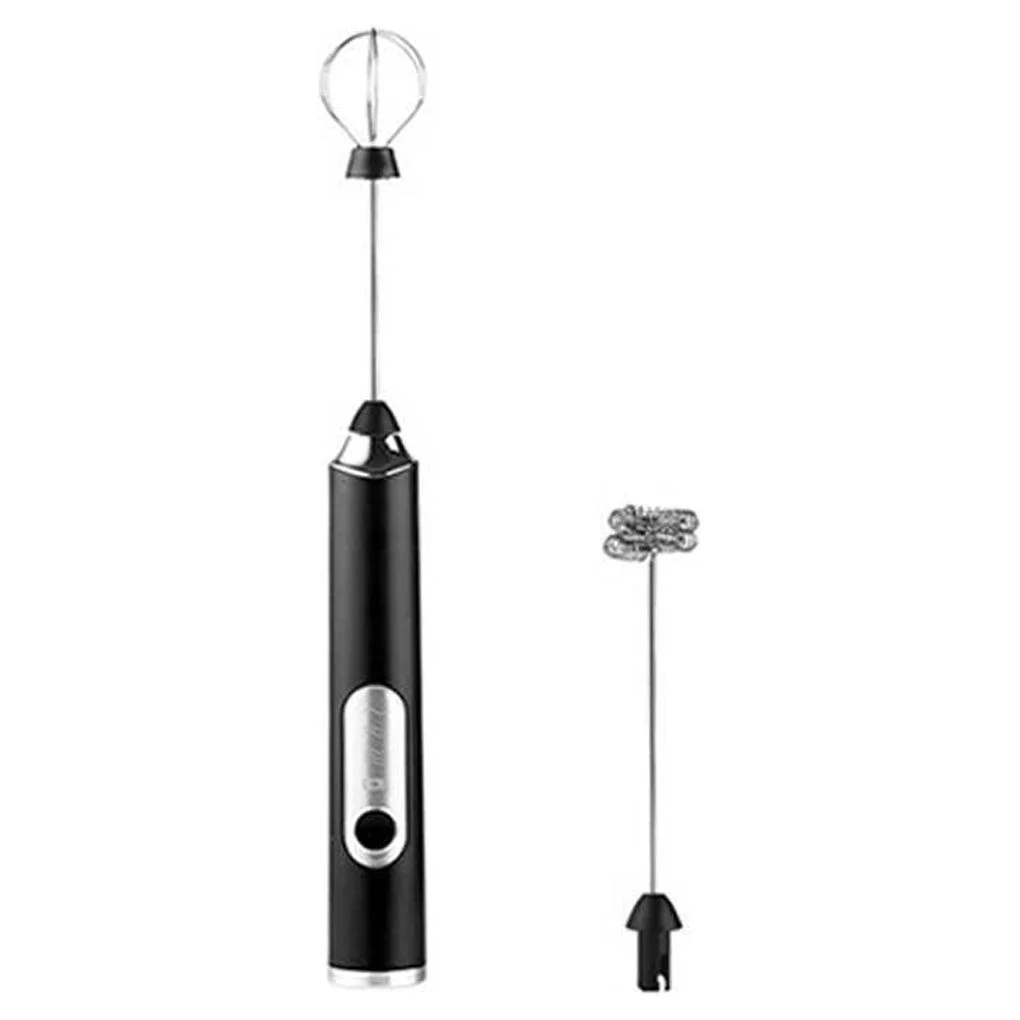
The Handheld Whiz: Your Portable Foam Machine
This is the little engine that could. A handheld, battery-operated whisk that you simply immerse in your milk. It’s the entry point for many home baristas, and for good reason.
- Pros: Incredibly affordable, compact and easy to store, super simple to use and clean.
- Cons: Only froths, doesn’t heat the milk; foam quality can be less consistent; requires a bit of manual effort.
- Best for: Beginners, travelers, or anyone with limited kitchen space who wants to dip their toes into the world of frothed milk without a big commitment.
The Automatic Butler: Set-It-and-Forget-It Frothing
This is the all-in-one countertop champion. An electric jug that heats and froths your milk at the touch of a button. Most models offer options for hot foam, cold foam, and sometimes just heating milk.
- Pros: Delivers consistently excellent foam, heats milk to the perfect temperature, often has multiple settings for different drinks (lattes vs. cappuccinos).
- Cons: More expensive, takes up counter space, requires more thorough cleaning.
- Best for: The serious coffee lover who values convenience and consistency. If you want cafe-quality results every single time with zero guesswork, this is for you.
The Old-School Classic: Manual (French Press) Frothers
Looks like a small French press, and the concept is similar. You pour milk in and manually pump a plunger with a mesh screen up and down to create foam.
- Pros: Gives you total control over the foam texture, no electricity needed, affordable.
- Cons: Requires manual effort (a good arm workout!), doesn’t heat milk, takes some practice to perfect.
- Best for: The coffee purist or DIY enthusiast who enjoys the hands-on process and wants to fine-tune their foam to perfection.
Here’s a quick cheat sheet to help you compare:
| Feature | Handheld Frother | Automatic Frother | Manual Frother |
|---|---|---|---|
| Price | $ | $$$ | $$ |
| Heats Milk? | No | Yes | No |
| Consistency | Good | Excellent | Varies with skill |
| Convenience | High | Highest | Low |
| Best For | Beginners, small spaces | Daily users, convenience seekers | DIY lovers, control freaks |
How Do I Choose From the Top 10 Milk Frothers 2025?
Finding your perfect match is about being honest about your lifestyle and coffee habits. Ask yourself these questions:
- How often will I use it? If it’s a daily ritual, investing in an automatic frother like the ones on our list of top 10 milk frothers 2025 is a no-brainer for its convenience and durability. For occasional use, a handheld might be all you need.
- What’s my budget? You can get started for under $20 or invest over $100. Decide what you’re comfortable spending for the features you truly want.
- What drinks do I make? If you love thick, airy cappuccino foam, most frothers will do the trick. But if you’re chasing that silky, paint-like microfoam for latte art, a high-quality automatic or a well-mastered manual frother is key.
- How much counter space do I have? This is a purely practical question. If your kitchen is already packed, a small handheld frother is your best friend.
The Moment of Truth: How to Use Your Milk Frother Like a Pro
You’ve picked your frother. Now what? Getting that perfect foam is a simple science.
- Start with Cold Milk: Always, always start with fresh, cold milk straight from the fridge. Cold milk froths significantly better than room-temperature milk.
- Don’t Overfill: Milk can double or even triple in volume when frothed. Only fill your container or frother about one-third of the way full to avoid a messy overflow.
- Find the Sweet Spot (for Handhelds): Submerge the whisk just below the surface of the milk. You want to create a gentle vortex. Tilting your cup slightly can help.
- Froth First, Then Heat (or Vice Versa): For handheld and manual frothers, you have a choice. You can froth the milk cold and then microwave it for about 30-45 seconds, or heat it first (to about 150°F / 65°C) and then froth. Experiment to see which you prefer! Automatics, of course, do both for you.
- Tap and Swirl: Once you’re done frothing, gently tap the container on the counter a few times to pop any large, unsightly bubbles. Then, give it a swirl to integrate the foam and make it glossy and smooth.
Pro Tips from the Trenches: Unlocking That Perfect Foam
After testing dozens of models over the years, I’ve learned a few tricks that separate good foam from great foam.
What is the best milk for frothing?
Whole dairy milk is the undisputed king for frothing. The high protein content creates a stable foam structure, while the fat provides a rich flavor and creamy texture. For non-dairy options, always look for “barista blend” or “barista series” versions. These are specially formulated with added proteins or stabilizers to froth up beautifully, just like dairy milk. Oat milk is a current fan favorite for its creamy results.
As barista champion Maria Chen always says, “Cold milk is your canvas. Start with a cold canvas, and the art will follow. The proteins are tighter when cold, ready to stretch and trap air perfectly.”
Temperature is Everything
The ideal temperature for steamed milk is between 140-155°F (60-68°C). Any hotter, and the milk proteins start to break down, and the milk will taste scalded and lose its sweetness. If you’re heating milk separately, a simple kitchen thermometer can be a game-changer.
Technique Matters
With a handheld frother, don’t just plunge it to the bottom. Start near the surface to incorporate air, then slowly lower the whisk to break down the large bubbles into a finer microfoam. This little bit of technique makes a world of difference.
|
Our Picks for the Best Milk Frother in 2026
As an Amazon Associate, we earn from qualifying purchases.
|
||
| Num | Product | Action |
|---|---|---|
| 1 | Milk Frother Handheld Battery, Electric Foam Maker Frother Wand, Drink Mixer with Stainless Steel Whisk for Coffee, Matcha, Lattes, Cappuccino Black |

|
| 2 | Zulay Kitchen Milk Frother Wand Drink Mixer with AA Duracell Batteries- Durable Handheld Milk Frother Electric Whisk - Easy-Clean Milk Frother Wand & Mini Blender - Electric Coffee Frother - Black |
|
| 3 | Powerful Milk Frother Wand - Mini Handheld Milk Frother with Stainless Steel Whisk - Battery-Powered Drink Mixer for Coffee, Lattes, Cappuccinos, Matcha - Coffee Enthusiasts Gift - Black |
|
| 4 | Milk Frother Handheld for Coffee (Foam Maker) Whisk Drink Mixer for Lattes, Cappuccino, Frappe, Matcha, Hot Chocolate |
|
| 5 | Bean Envy Milk Frother Handheld for Coffee - Mini Drink Mixer Whisk & Coffee Foamer Wand with Stand for Lattes, Cappuccino, Matcha and Hot Chocolate - Kitchen Gifts - Black |
|
| 6 | Milk Frother Handheld Rechargeable, Frother Wand Drink Mixer Electric Whisk for Coffee, Detachable With 3 Stainless Whisks, Hand Mixer for Lattes, Cappuccino, Matcha, Egg, No Stand, Black |
|
| 7 | Maestri House Rechargeable Milk Frother with Stand, LunaFro Handheld Electric Foam Maker Waterproof Detachable Stainless Steel Whisk Drink Mixer Foamer for Lattes, Cappuccino |
|
| 8 | YUSWKO Black Handheld Milk Frother Wand for Coffee, Rechargeable Electric Whisk with 3 Heads 3 Speeds Drink Mixer Coffee Frother For Latte, Cappuccino, Hot Chocolate, Egg |
|
| 9 | Maestri House Rechargeable Milk Frother, LunaFro Mini Handheld Electric Foam Maker Detachable Stainless Steel Whisk Drink Mixer Foamer Mini Blender for Matcha, Lattes, Cappuccino, No Stand |
|
| 10 | Zulay Kitchen Powerful Milk Frother Wand With 2 Duracell Batteries - Ultra Fast Handheld Drink Mixer - Electric Whisk Foam Maker for Coffee, Lattes, Cappuccino, Matcha, Hot Chocolate & Creamer - Black |
|
Beyond the Latte: Creative Ways to Use Your Frother
Your milk frother isn’t just a one-trick pony for coffee! Put it to work making:
- Dreamy Hot Chocolate: Heat your milk and chocolate together, then use the frother to create an unbelievably rich and foamy hot cocoa.
- Matcha Lattes: A handheld frother is fantastic for whisking matcha powder into hot water to eliminate clumps before adding your frothed milk.
- Whipped Dalgona Coffee: It was a viral trend for a reason! Your frother can whip up instant coffee, sugar, and water into a delicious coffee cream.
- Cocktails: Add a professional foamy top to drinks like a whiskey sour or an espresso martini.
Keep It Clean, Keep It Frothing: Maintenance 101
A clean frother is a happy frother. The number one rule is to clean it immediately after every use. Milk residue can be stubborn once it dries.
- Handheld Frothers: Simply rinse the whisk under hot running water, maybe with a drop of soap. You can also turn it on for a few seconds in a glass of hot, soapy water, then rinse.
- Automatic Frothers: Most have non-stick interiors. Wash the jug with a soft sponge and warm, soapy water. Avoid abrasive scrubbers that can damage the coating. Many automatic frothers have dishwasher-safe parts, but always check your manual first.
Frequently Asked Questions About the Top 10 Milk Frothers 2025
Q: Can you froth non-dairy milk?
A: Absolutely! The best results come from barista-specific blends of oat, soy, and almond milk, which are formulated for better foaming. Regular non-dairy milks can work, but the foam may not be as stable or creamy.
Q: What’s the difference between froth and steamed milk?
A: Froth has a higher volume of air, making it light and foamy, perfect for cappuccinos. Steamed milk has less air incorporated, resulting in a silkier, more liquid microfoam that’s ideal for pouring latte art. Many automatic frothers have settings for both.
Q: Can I heat milk in a handheld frother?
A: No, a handheld frother does not have a heating element. You’ll need to heat your milk separately in a microwave or on the stovetop before or after you froth it.
Q: How long does it take to froth milk?
A: It’s incredibly fast! A handheld frother can create foam in about 20-30 seconds. An automatic frother typically takes 1-2 minutes to complete its heating and frothing cycle.
Q: Is an expensive milk frother worth it?
A: It depends on your needs. If you’re a daily latte or cappuccino drinker, an automatic frother is a fantastic investment in convenience and quality. If you only want frothed milk occasionally, a budget-friendly handheld frother is an excellent and effective choice.
Your Home Cafe Awaits
Stepping up your coffee game doesn’t require a thousand-dollar espresso machine. Sometimes, all it takes is the simple, magical ability to create perfect milk foam. Whether you choose a nimble handheld model or a do-it-all automatic machine, owning one of the top 10 Milk Frothers 2025 is your ticket to becoming your own favorite barista. So go ahead, start experimenting, and enjoy the satisfaction of that first perfect, home-brewed cappuccino.