Picture this: it’s 3 AM, the house is silent except for one tiny, insistent cry. You’re in the kitchen, fumbling in a sleep-deprived haze, trying to mix a bottle. You shake, you swirl, you shake some more, but you can still see them—those stubborn, chalky clumps of formula mocking you from the bottom of the bottle. Sound familiar? If you’re nodding along, I’ve got a game-changing secret for you that lives in your coffee drawer. Learning how to use a frother for baby formula isn’t just a clever hack; it’s your new secret weapon for faster, smoother, and happier feedings.
Let’s be real, a milk frother might seem like a tool reserved for aspiring home baristas. But for parents, this little gadget is about to become as essential as diapers and wipes. Forget lattes for a moment and think lump-free, perfectly mixed bottles in seconds.
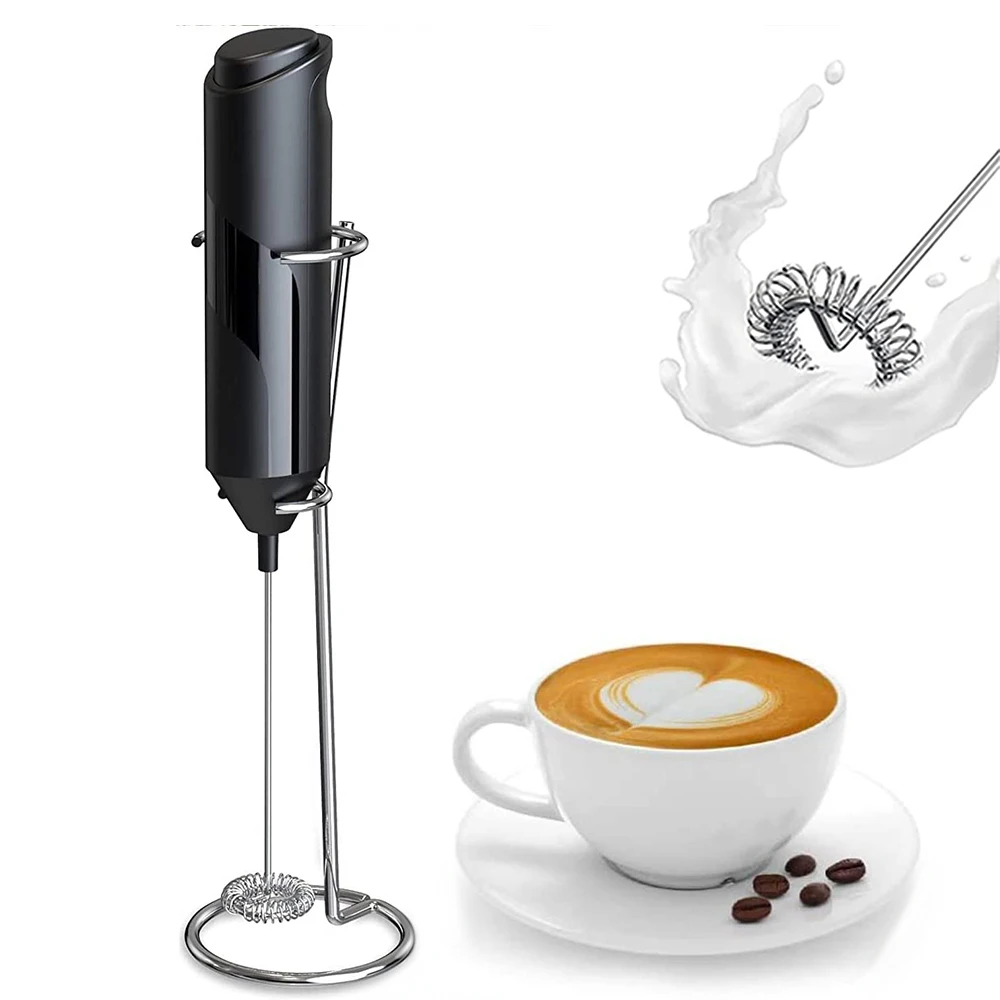
Why Use a Milk Frother for Baby Formula, Anyway?
Before we dive into the “how,” let’s talk about the “why.” Shaking a bottle is the old-school method, but it comes with its own set of frustrations. A milk frother elegantly solves these common problems, making it a surprisingly brilliant tool for the nursery.
- Clump Annihilation: This is the number one reason. Some formulas, especially specialized or thickened ones, are notoriously difficult to dissolve. A frother’s high-speed whisking action pulverizes clumps in seconds, ensuring your baby gets a smooth, consistent meal every time.
- Speed and Efficiency: When a baby is hungry, every second counts. A frother mixes a bottle perfectly in about 5 to 10 seconds. That’s a fraction of the time you’d spend vigorously shaking and checking for clumps.
- Say Goodbye to Wrist Strain: It might sound minor, but shaking multiple bottles a day can lead to a sore wrist. A frother does all the hard work for you with the simple press of a button.
- Better Digestion? The Bubble Question: While vigorous shaking can introduce a lot of air and big bubbles, a frother, when used correctly, can actually create finer, smaller bubbles that dissipate more quickly. We’ll get into the specific technique for this in a bit.
Choosing the Right Frother for the Job
Not all frothers are created equal, especially when it comes to mixing baby formula. While there are fancy automatic and manual frothers on the market, one type stands head and shoulders above the rest for this specific task.
The Handheld Wand: Your Best Bet
The simple, battery-operated handheld frothing wand is the undisputed champion here. It’s the perfect tool for the job, and here’s why:
- Control: You control the depth, angle, and duration of the mixing. This is crucial for minimizing air bubbles.
- Versatility: It can be used directly in any baby bottle, regardless of shape or size.
- Easy to Clean: A quick rinse under hot, soapy water is usually all it takes.
- Affordable: They are incredibly budget-friendly. You don’t need a high-end model for this task.
What About Automatic or Manual Frothers?
You can safely skip the other types. Automatic frothers (the kind that look like a small kettle) are designed to heat and froth milk in their own carafe—they are total overkill and a pain to clean for formula. Manual pump-style frothers are also not practical for mixing in a baby bottle. Stick with the simple, effective handheld wand.
|
Our Picks for the Best Milk Frother in 2025
As an Amazon Associate, we earn from qualifying purchases.
|
||
| Num | Product | Action |
|---|---|---|
| 1 | Milk Frother Handheld Battery, Electric Foam Maker Frother Wand, Drink Mixer with Stainless Steel Whisk for Coffee, Matcha, Lattes, Cappuccino Black |

|
| 2 | Bean Envy Milk Frother Handheld for Coffee - Mini Drink Mixer Whisk & Coffee Foamer Wand with Stand for Lattes, Cappuccino, Matcha and Hot Chocolate - Kitchen Gifts - Black |
|
| 3 | Milk Frother Handheld for Coffee (Foam Maker) Whisk Drink Mixer for Lattes, Cappuccino, Frappe, Matcha, Hot Chocolate |
|
| 4 | YUSWKO Black Handheld Milk Frother Wand for Coffee, Rechargeable Electric Whisk with 3 Heads 3 Speeds Drink Mixer Coffee Frother For Latte, Cappuccino, Hot Chocolate, Egg |
|
| 5 | Milk Frother Handheld Rechargeable, Frother Wand Drink Mixer Electric Whisk for Coffee, Detachable With 3 Stainless Whisks, Hand Mixer for Lattes, Cappuccino, Matcha, Egg, No Stand, Black |
|
| 6 | Maestri House Rechargeable Milk Frother with Stand, LunaFro Handheld Electric Foam Maker Waterproof Detachable Stainless Steel Whisk Drink Mixer Foamer for Lattes, Cappuccino |
|
| 7 | Zulay Kitchen Milk Frother Wand Drink Mixer with AA Duracell Batteries- Durable Handheld Milk Frother Electric Whisk - Easy-Clean Milk Frother Wand & Mini Blender - Electric Coffee Frother - Black |
|
| 8 | Powerful Milk Frother Wand - Mini Handheld Milk Frother with Stainless Steel Whisk - Battery-Powered Drink Mixer for Coffee, Lattes, Cappuccinos, Matcha - Coffee Enthusiasts Gift - Black |
|
| 9 | Zulay Kitchen Powerful Milk Frother Wand With 2 Duracell Batteries - Ultra Fast Handheld Drink Mixer - Electric Whisk Foam Maker for Coffee, Lattes, Cappuccino, Matcha, Hot Chocolate & Creamer - Black |
|
| 10 | Maestri House Rechargeable Milk Frother, LunaFro Mini Handheld Electric Foam Maker Detachable Stainless Steel Whisk Drink Mixer Foamer Mini Blender for Matcha, Lattes, Cappuccino, No Stand |
|
For this task, we strongly recommend a simple, stainless steel handheld frother. They offer the perfect balance of power, control, and easy maintenance that every parent needs.
How to Use a Frother for Baby Formula: A Step-by-Step Guide
Alright, it’s time for the main event. Mixing formula with a frother is incredibly easy, but a few key steps will ensure you get a perfect, low-foam bottle every time.
- Start with a Clean Slate: First things first, make sure your bottle, nipple, and your milk frother wand are all thoroughly cleaned and sterilized, just as you would with any other feeding equipment.
- Water First, Then Powder: Pour the desired amount of warm (not hot) water into the baby bottle. Adding the water first prevents the powder from sticking to the bottom.
- Add the Formula: Scoop the correct amount of formula powder into the bottle.
- Insert and Angle: Submerge the head of the frother wand into the liquid, positioning it near the bottom of the bottle. Crucially, do this before you turn it on to avoid splattering formula all over your kitchen counter.
- Pulse, Don’t Go Full-Throttle: This is the most important technique. Instead of holding the button down continuously, press it in short, 1-2 second bursts. This “pulsing” motion mixes the formula effectively without creating a vortex that whips in tons of air. Mix for a total of 5-10 seconds, moving the wand around slightly.
- Let It Settle: After mixing, you’ll see some fine foam on top. Remove the frother and gently swirl the bottle. Let it sit on the counter for a minute or two. This allows the tiny bubbles to dissipate, resulting in a much less gassy meal for your little one.
Pro Tips for a Perfectly Mixed, Happy-Tummy Bottle
You’ve got the basics down. Now, let’s refine your technique with some pro-level advice that makes a real difference.
The Art of Minimizing Bubbles
The biggest concern parents have is introducing too much air, which can lead to gas and discomfort for the baby. The pulsing technique is your primary defense.
As pediatric nutrition consultant Dr. Alisha Ramos notes, “It’s not about avoiding bubbles entirely, but about the size and quantity. The large, trapped air pockets from shaking are often the culprit. The fine, micro-foam from a properly used frother tends to break down much more quickly before the baby even drinks it.”
To further reduce air, always keep the frother head fully submerged. If the whisk breaks the surface of the liquid, it will suck in air and create a foamy mess.
Cleanliness is Non-Negotiable
Formula can leave a residue that’s a breeding ground for bacteria. Cleaning your frother immediately after each use is essential.
- Immediate Rinse: The best method is to immediately turn the frother on in a cup of hot, soapy water for a few seconds. This dislodges any formula residue.
- Final Rinse: Follow up with a rinse under clean, hot running water.
- Air Dry: Shake off the excess water and let it air dry completely before storing.
FAQ: Your Questions Answered
Here are some of the most common questions we get about using a frother for formula.
Is it safe to use a milk frother for baby formula?
Absolutely, as long as the frother is made from food-safe materials (like stainless steel) and is kept meticulously clean and sterilized, just like your baby bottles. It is simply a small whisk that mixes the formula more efficiently.
Will using a frother for formula create too many air bubbles?
Not if you use the correct technique. By inserting the frother before turning it on, keeping the head submerged, and using short “pulses” instead of continuous blending, you will create far less foam and fewer large air pockets than with vigorous shaking.
What is the best type of Milk Frother for baby formula?
A simple, battery-operated handheld frothing wand is the best choice. It’s affordable, easy to clean, and gives you complete control over the mixing process, allowing you to use it directly in any baby bottle.
How do I properly clean my frother after mixing baby formula?
Clean it immediately after use. Run the frother for a few seconds in a glass of hot, soapy water, then rinse the wand thoroughly under clean, hot water. Allow it to air dry completely.
Can I mix the formula directly in the baby bottle with a frother?
Yes, that’s one of the biggest advantages! The slim design of a handheld frother allows you to mix the formula right in the bottle you’ll be using for feeding, which means less mess and fewer dishes to wash.
The Verdict: A True Parenting Hack
Making the switch from shaking to frothing might seem small, but in the world of parenting, small efficiencies are worth their weight in gold. Learning how to use a frother for baby formula is more than just a novelty; it’s a practical solution to a daily chore that saves you time, effort, and the frustration of dealing with clumpy formula. It’s one of those simple upgrades that will have you wondering how you ever managed without it. So go ahead, rescue that frother from the coffee corner and put it to work on the front lines of feeding time. Your wrists—and your baby’s tummy—will thank you.